Recently, the Hyundai Motor labor union in South Korea has declared a strong opposition to the introduction of AI-driven assembly robots. Their stance is firm: “Not a single robot can be deployed without the union’s unanimous consent.” While the global auto industry is racing toward full automation, the Korean union is pulling the emergency brake to protect their job security.
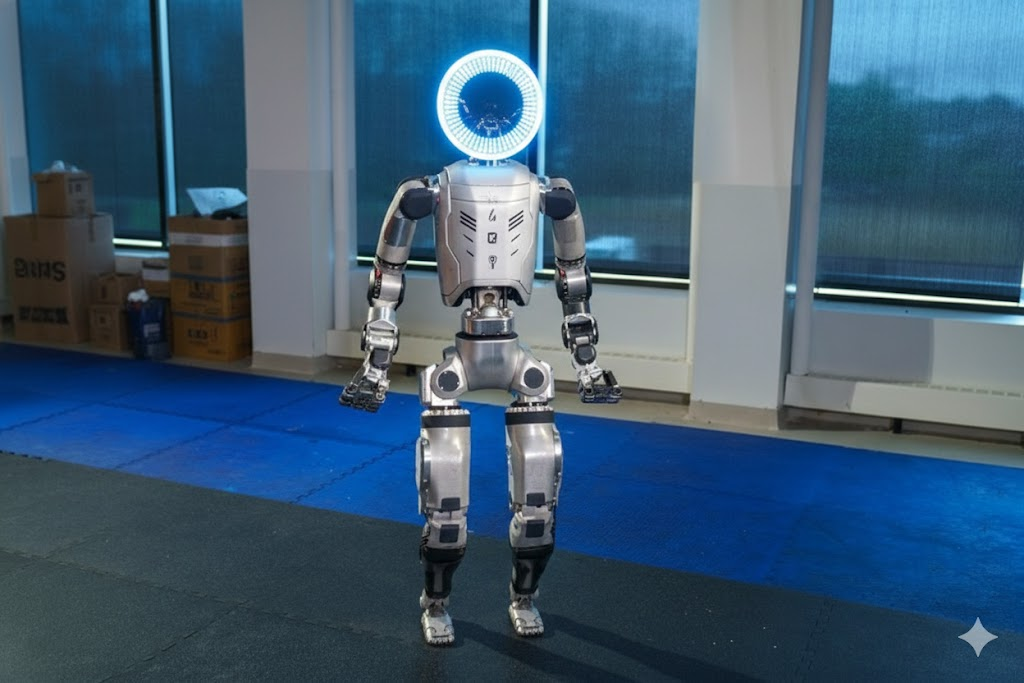
Behind this conflict lies cold data. Hyundai’s domestic plants require nearly double the time to produce a single car compared to their US plant (26.8 hrs vs 14.7 hrs). Even compared to Toyota’s 17 hours, it is significantly less productive. This low productivity, combined with high wages, is the core reason why the company insists on AI automation for survival.
This situation mirrors the Luddite movement in 19th-century Britain. Back then, textile workers smashed power looms, fearing that machines would replace human skill. However, while past machines merely replaced human muscle, today’s AI threatens human intelligence and existential value itself. In the past, machines found a compromise by creating new types of jobs, but in the wave of AI that invades all domains, the real terror is that such optimistic exits are no longer visible.
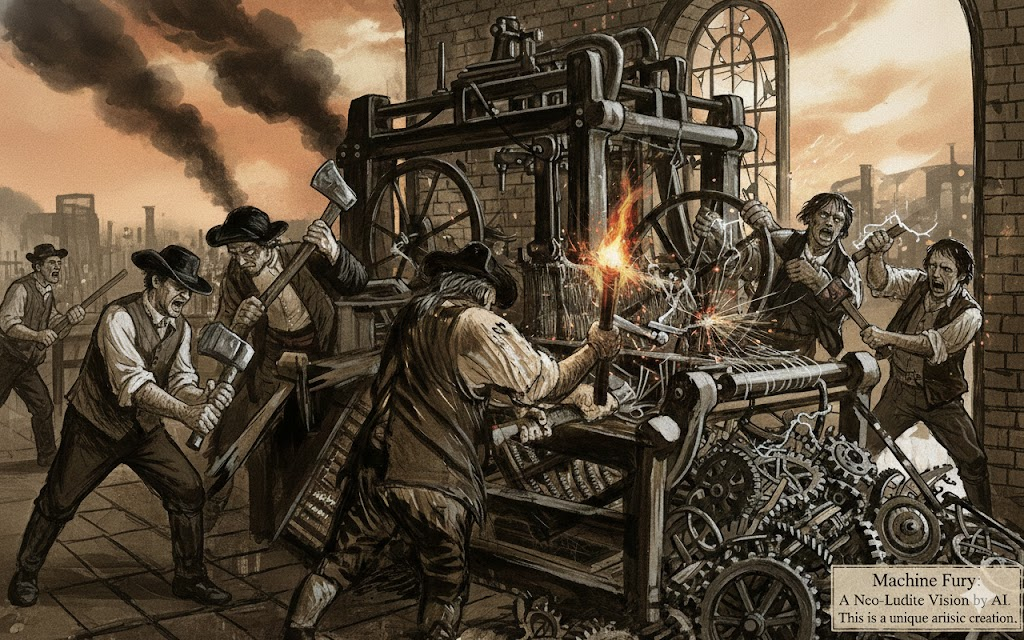
Ultimately, it remains uncertain whether the union can stop the tide of technology. History suggests that resistance might delay change but cannot stop it, yet this time there is a widespread sense of crisis that the place for humans may vanish entirely. ‘Wild’ resistance without productivity improvement only leads to industrial decline, but automation without alternatives can also be a social disaster. We are now facing an era of massive replacement that humanity has never experienced before, rather than coexistence.
Do you believe this trend of AI completely replacing human labor will be a blessing for us, or an unavoidable disaster? Where do you think the final line is where humanity and machines can truly coexist? I would love to hear your valuable opinions.
Copyright ⓒ 2026 baguniinfo.com. All rights reserved.
No part of this post (text & images) may be reproduced or reused in any form without permission. Unauthorized redistribution is strictly prohibited.